Evolutionary Computing Systems Lab · ECSL · UNR

Research

Genetic Algorithms · Game AI · Adaptive Training · Autonomous Navigation · Cybersecurity

Evolutionary Computing Systems Lab
Evolutionary Computing Systems Lab (ECSL)
We investigate systems that use genetic algorithm search to evolve AI for RTS games, to evolve interaction design and directed autonomy for heterogeneous agents, and to augment machine learning and deep learning approaches.
ecsl.cse.unr.edu  ·  youtube.com/@ecsllab
Current Projects

Active Research Areas

Ship bridge VR simulation

Featured · ONR-Funded · N00014-22-1-2122

Adaptive Training for Nautical Rules of the Road

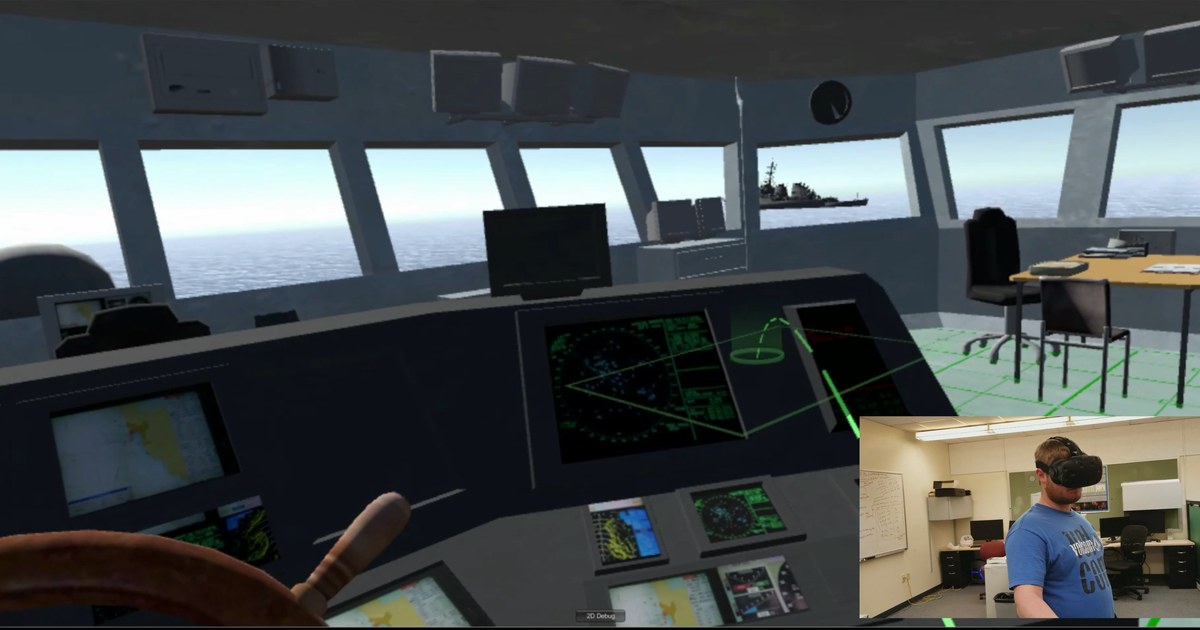
We designed and built a ship driving simulation trainer using knowledge tracing to adapt scenario difficulty in real time. Scenarios include multi-ship encounters set in Singapore and San Diego harbors covering all major COLREGs encounter types: head-on, crossing giveway, crossing standon, and overtaking. A comparative study of adaptive vs. non-adaptive training showed adaptive training is statistically significantly more effective (p < 0.0001), with 73% of students preferring it. The system is deployed in collaboration with the US Navy. Supported by the Office of Naval Research, grant N00014-22-1-2122.

Read the 2025 Springer paper →
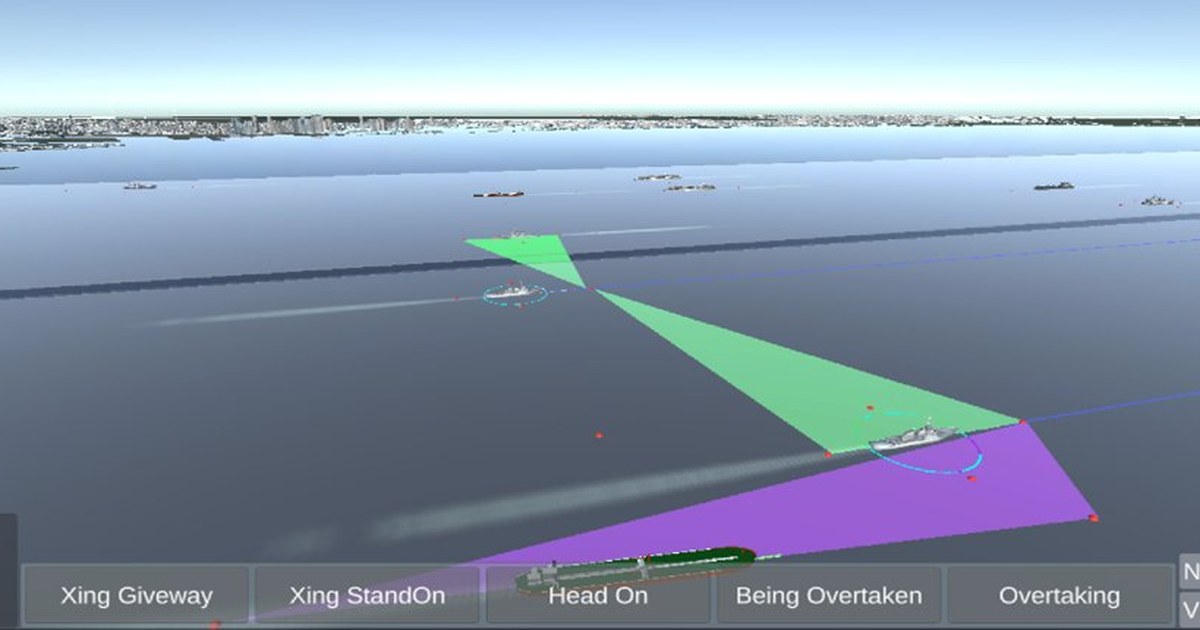
Velocity obstacle cones for autonomous ship navigation

Autonomous Navigation · COLREGs

VORRT-COLREGs: Velocity Obstacles for Autonomous Surface Vessels

VORRT-COLREGs combines velocity obstacles (VO) with rapidly-exploring random trees (RRT) to plan COLREGs-compliant trajectories for autonomous surface vessels in dynamic multi-ship environments. VO handles real-time local collision avoidance; RRT provides the global waypoint structure. Published in IEEE Robotics and Automation Letters, 2022.

IEEE paper →
TAISER cybersecurity training game

Serious Games · Cybersecurity

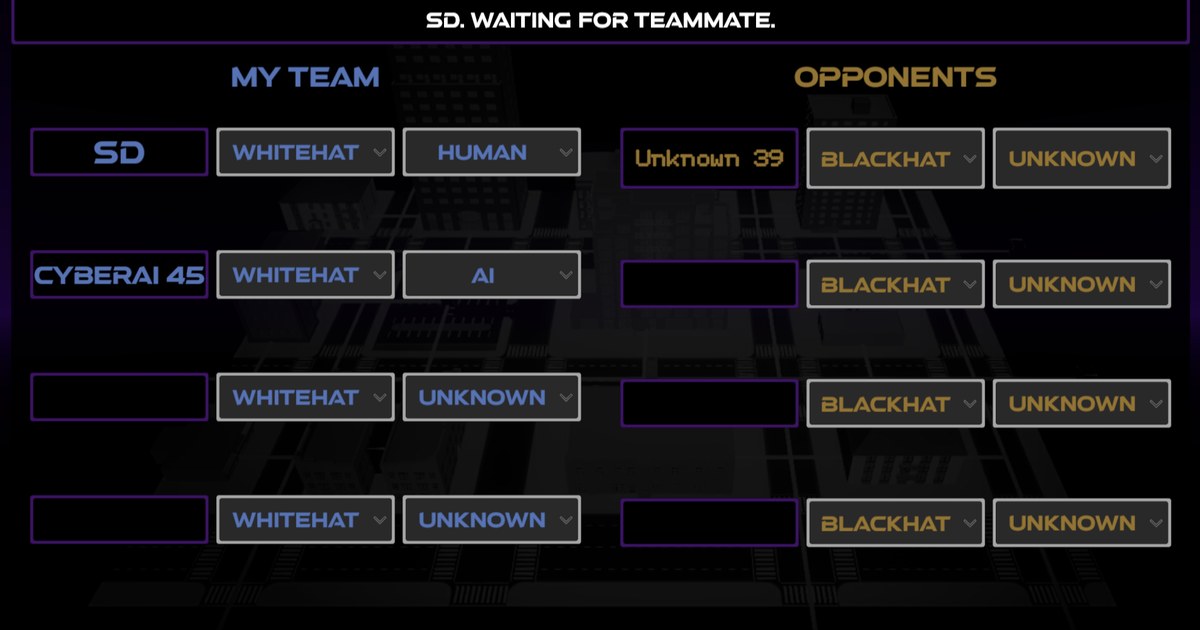
TAISER: Cybersecurity Training Game

TAISER is a multiplayer Unity-based cybersecurity training game where human and AI players take WHITEHAT or BLACKHAT roles defending or attacking a city network infrastructure. A CyberAI teammate provides real-time firewall rule recommendations, helping players learn to classify and respond to network packets. Supports mixed human/AI teams and adaptive difficulty.

Target angle recognition serious game

Serious Games · Naval Training

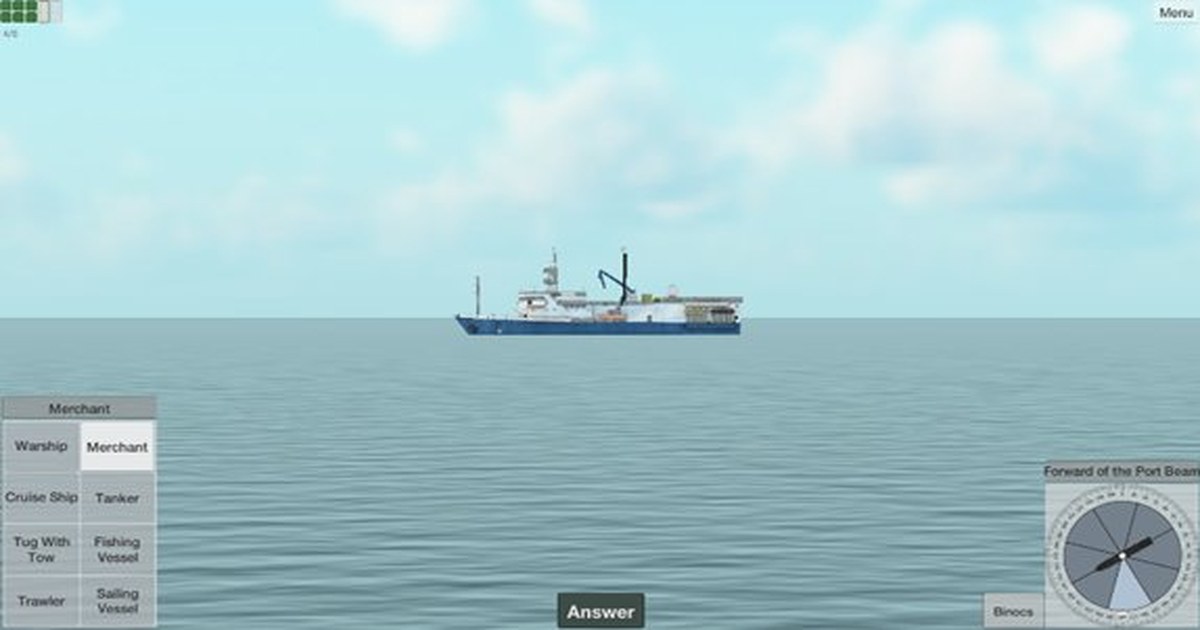
Serious Game for Target Angle Recognition

A simulation-based game for training Naval Surface Warfare Officers to rapidly identify target angle — the bearing of a ship relative to an observer. The game presents scenarios with various vessel types and lighting conditions, requiring players to classify the encounter before selecting a COLREGs-compliant action. Presented at IEEE CoG 2024.

IEEE CoG 2024 paper →
StarCraft II RTS micro co-evolution

Game AI · Evolutionary Computing

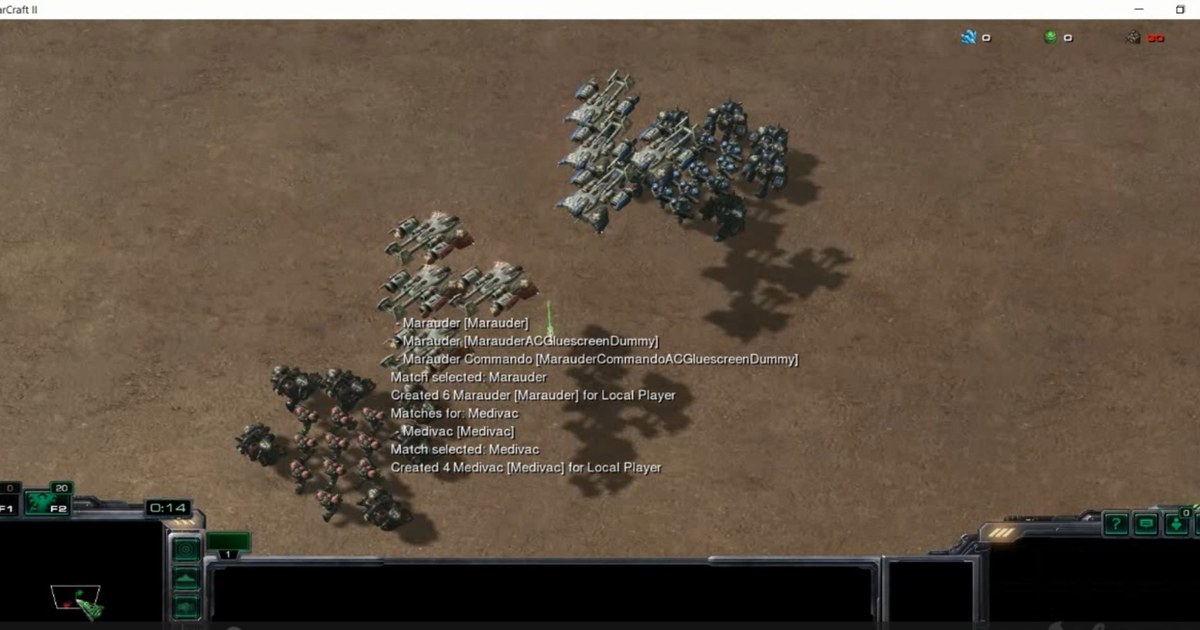
Co-evolving RTS Micro in StarCraft II

Using potential field-based co-evolutionary algorithms to develop sophisticated unit micro for StarCraft II. We have evolved Terran Marines, Marauders, and Medivacs against Zerg units. Recent work investigates NEAT-based neuroevolution and multi-objective co-evolutionary approaches for generalizable, emergent combat tactics that transfer across scenarios.

Related publications →
UAV mesh network topology

Evolutionary Computing · Networks

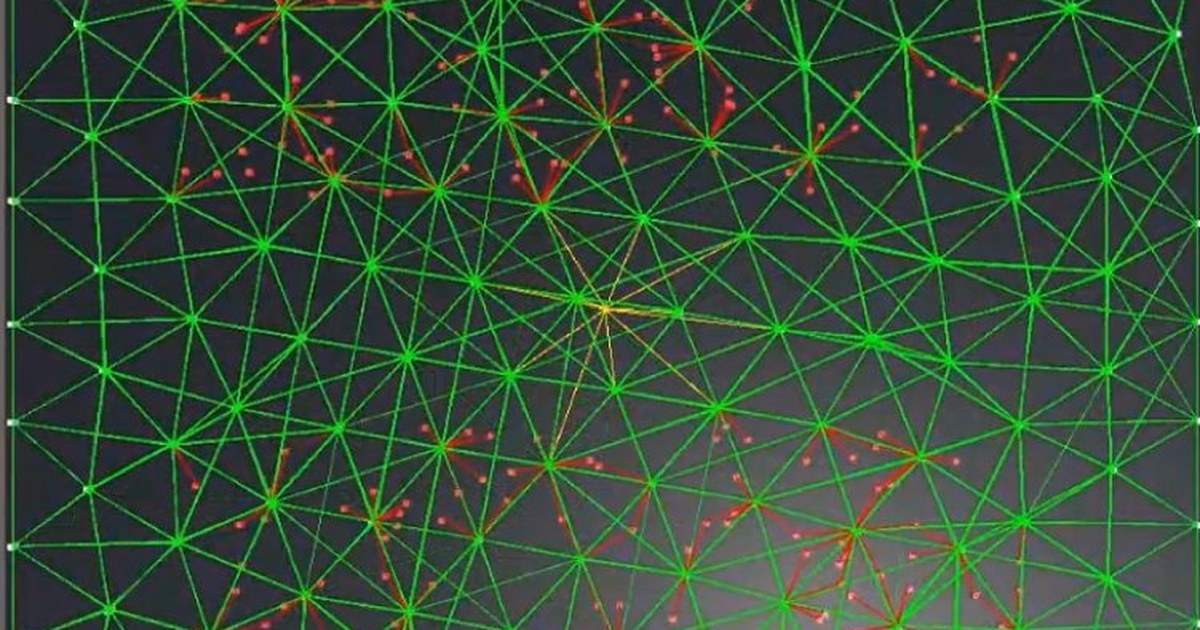
Evolving Dynamically Reconfiguring UAV Mesh Networks

Genetic algorithms evolve dynamic topologies for UAV-hosted mesh networks, optimizing communication coverage and reliability under changing conditions. The evolved networks adapt to node failures and changing mission requirements. Presented at IEEE Congress on Evolutionary Computation, 2020.

See publication →

Past Projects

Earlier ECSL Work

CIGAR

Case-Injected Genetic Algorithms

The foundational ECSL research area. CIGAR improves GA performance by injecting solutions from past similar problems into a running GA's population. Applied to games, scheduling, circuit design, and optimization. Published in IEEE Transactions on Evolutionary Computation (2004, 2005).

Bridge

Bridge Inspection Simulator

Unity 3D simulation training and control system (STACS) for robotic bridge inspection. Developed in collaboration with the ARA Laboratory on the INSPIRE project. Includes ROS integration and VR-enabled operator interface for controlling robot inspection teams.

IGA

Interactive Genetic Algorithms for UI Design

Interactive GAs where human preferences guide the evolutionary search, applied to user interface layout design. Developed the Sycophant API for research in context-aware adaptive interfaces. Published at GECCO, CEC, and IEEE IUI.

Ph.D. students interested in these research areas: contact me  ·  Full lab: ecsl.cse.unr.edu